Book Review
4 Minute


2/5
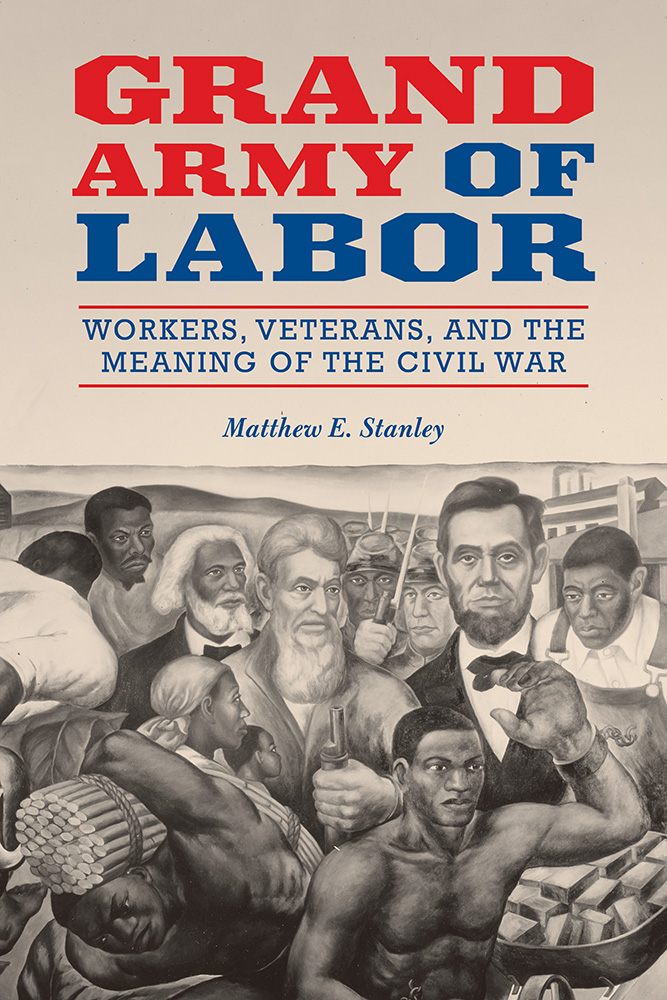
This one was tough for me, and I’m not sure I can fault the prose or structure of the book. Labor history is definitely my jam but I do find the 1870s and 80s to be a very difficult time to study in US history. The latter half of the book definitely picks up as we enter the 20th century and I do find the author’s arguments about the changing symbolism of the Civil War to be generally compelling. It is clear that the struggle against the slave power was for a time transformed into a struggle against the money power. The coming of Jim Crow and the mainstreaming of the Civil War’s memory into a post-sectional patriotism has obscured this legacy from people of the 21st century.
I think this book is at its best when it is trying to explain where the radicalism of the Civil War went in the rather dreary Gilded Age. The development and ultimate failure of farmer-labor politics to claim significant power in the US political system makes some of this a hard read. However, I do like the lengths Stanley goes to link that story to the emergence of the next generation of radicals in Goldman, Debs and the Wobblies.