Book Review
1 Min


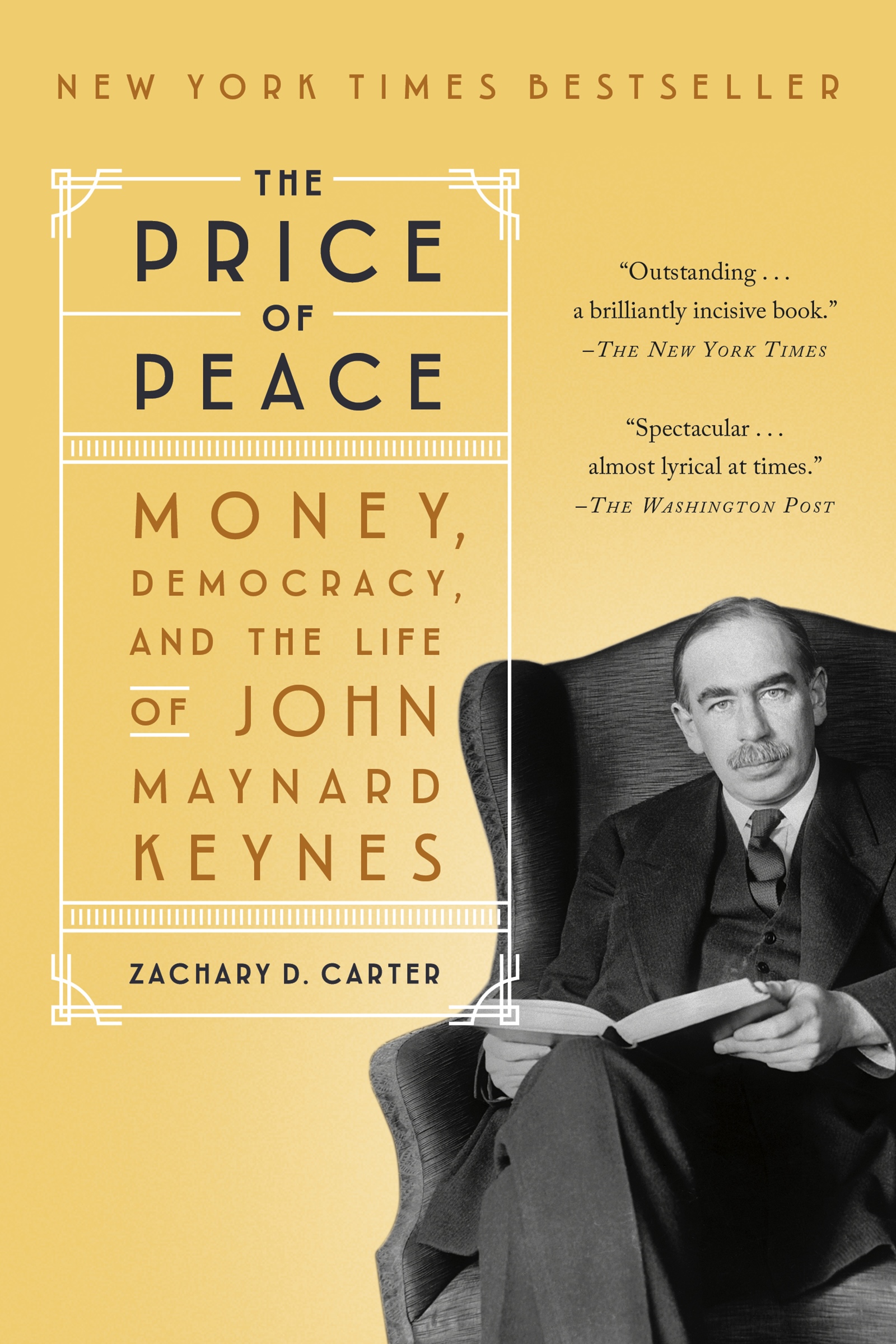
4/5
Not quite as fabulous as I remember this being during the first time through, probably because I’ve read much more about the inter-war period since the first time I read this book. Keynes remains an electrifying figure, like an early modern philosopher walking around in the Edwardian period. The last third of the book unfortunately just can’t be as interesting as Carter charts the Keynesian project through Galbraith and Robinson, who frankly just aren’t as interesting. I think a two volume approach would probably worked better to give Keynes’ and his successors their own evaluations.